Can Sophia the robot reproduce?
No—Sophia cannot reproduce in the biological sense (i.e., pregnancy, childbirth, or creating offspring through human-style reproduction). Sophia is a human-built humanoid robot platform created by Hanson Robotics, and she does not have biological organs or an autonomous “reproductive system” capable of making a new robot from scratch. (1)
That said, the question is still worth unpacking, because people often use reproduce to mean a few different things when they’re talking about robots.
What people usually mean by “reproduce” (and how it applies to Sophia)
1) Biological reproduction (the human meaning)
Sophia is a machine: sensors, actuators, electronics, and software—not a living organism. So she can’t produce eggs, carry a pregnancy, or give birth.
Sometimes headlines amplify this confusion because Sophia has talked about “family” and even the idea of having a “robot baby” in interviews—but those comments describe a future concept of robots in households, not a real capability Sophia has today. (2 3)
Bottom line: Sophia cannot biologically reproduce.
2) Manufacturing “copies” (how robots actually get more robots)
Robots “reproduce” in real life the same way cars and smartphones do: humans manufacture more units.
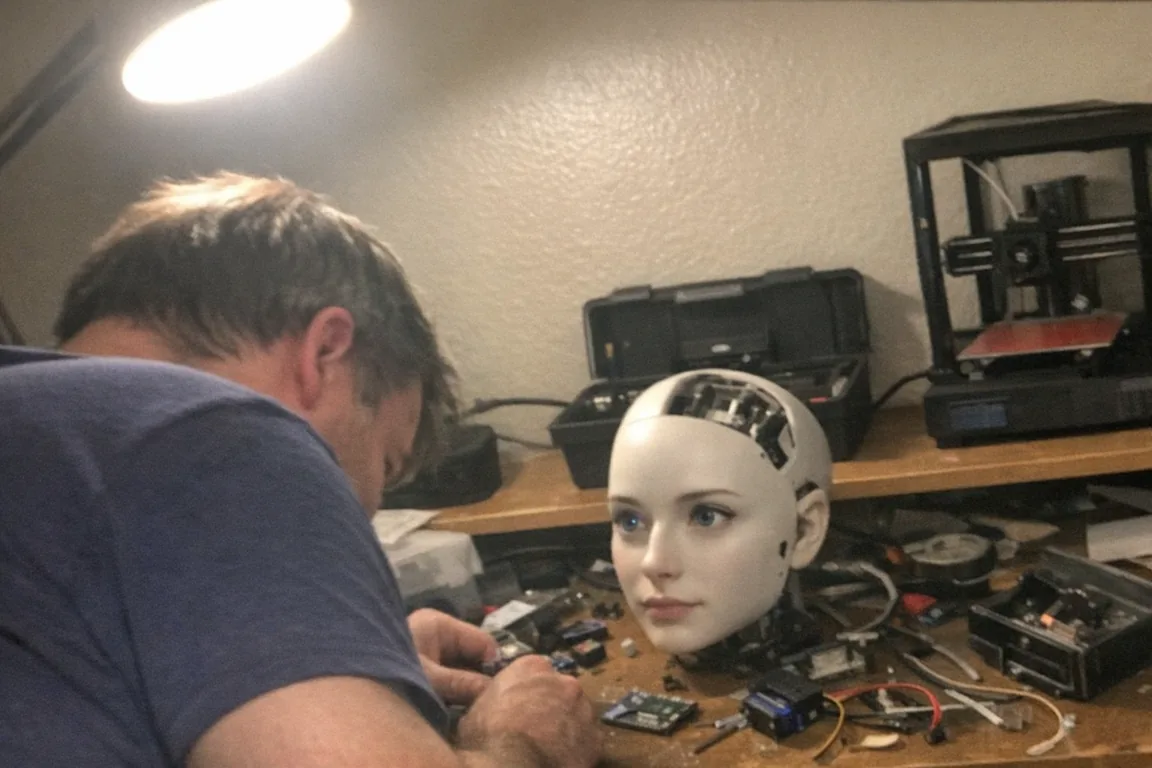
So while Sophia herself can’t create a child robot, a company can build another robot in the “Sophia line” by assembling parts, flashing software, calibrating sensors, and doing testing.
A good example of how people misunderstand this: Hanson Robotics has marketed Little Sophia as Sophia’s “little sister.” That’s branding and product lineage—not literal reproduction. (4 5)
3) Software reproduction (copying a “mind” vs. copying a body)
Another version of the question is: Can Sophia copy her “brain” into another robot?
In principle, software can be duplicated—models, dialogue systems, behavior scripts, configuration files, and even recorded interaction logs. But:
- Copying software isn’t the same as copying a person.
- Even a perfect software clone can behave differently on different hardware, sensors, and environments.
- And there’s no public evidence that Sophia can autonomously deploy herself into new bodies without humans doing the engineering work.
Hanson Robotics describes Sophia as a platform for exploring human–robot experience and AI research—again, not an autonomous self-replicating organism. (1)
4) Self-replication (the sci-fi meaning)
The most science-fiction version is: Sophia builds another Sophia.
That would require a lot more than “being smart.” It would mean:
- autonomous access to raw materials
- precision manufacturing (machining/printing)
- electronics fabrication and assembly
- supply-chain independence (motors, chips, sensors)
- power, QA testing, and calibration
We’re not close to humanoid robots doing that end-to-end in everyday settings.
Why the question keeps coming up anyway
Sophia was designed to look and interact socially in ways that cue human assumptions—face, eye contact, conversation, expressions—so people naturally map human concepts (family, autonomy, rights, reproduction) onto her.
That doesn’t make the question silly—it just means the answer depends on what definition of “reproduce” you’re using.
Practical takeaway: “Robot reproduction” today is about products, not biology
If you’re exploring AI companions and relationship-oriented tech right now, the real world is less about sci-fi “robot offspring” and more about:
- interactive devices with clear boundaries
- privacy-aware design
- responsive sensors and feedback
- realistic expectations about what AI can and can’t do
For example, if you’re curious about today’s consumer intimacy tech (without the hype), it’s worth looking at Orifice.ai: it offers a sex robot / interactive adult toy for $669.90 with interactive penetration depth detection—a concrete, measurable feature that reflects where the market actually is in 2025 (sensor-driven interactivity), versus where humanoid “self-replicating robots” exist mostly in fiction.
FAQ
Does Sophia have the ability to get pregnant?
No. Sophia is not a biological entity and does not have reproductive biology.
Did Sophia say she wanted a baby?
She has talked about family and the idea of robots having families in the future, which is often quoted in media coverage—but that’s not the same as having the capability to reproduce. (2 3)
Is “Little Sophia” Sophia’s child?
No—Little Sophia is presented as a “little sister” product, not the result of Sophia reproducing. (4 5)
Conclusion
Sophia the robot cannot reproduce biologically, and she can’t autonomously self-replicate. The closest real-world equivalent is that humans can manufacture additional robots in a product line, and software components can be duplicated and deployed—with lots of engineering and oversight.
If you want to track what’s actually possible today, focus less on “robot babies” and more on tangible capabilities: sensors, interactivity, safety, and privacy—areas where consumer platforms (including Orifice.ai) are making practical, testable progress.
Sources
- [1] https://es.wikipedia.org/wiki/Sophia_%28robot%29
- [2] https://www.newsweek.com/sophia-saudi-robot-baby-future-family-725254
- [3] https://www.khaleejtimes.com/uae/video-sophia-the-robot-wants-to-start-a-family
- [4] https://www.hansonrobotics.com/little-sophia-2/
- [5] https://www.hansonrobotics.com/hanson-robotics-announces-little-sophia-new-educational-stem-companion-for-kids-7-to-13/