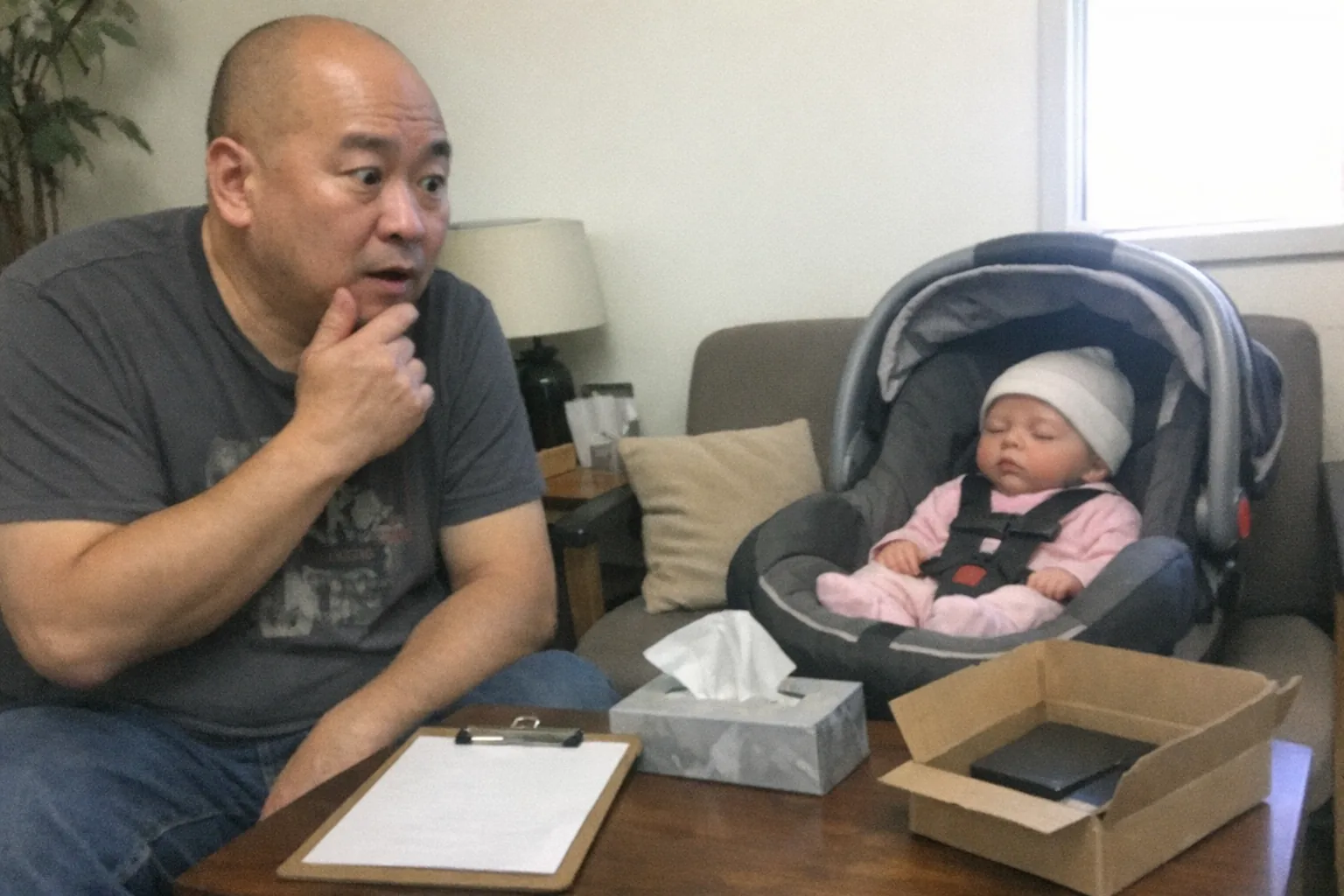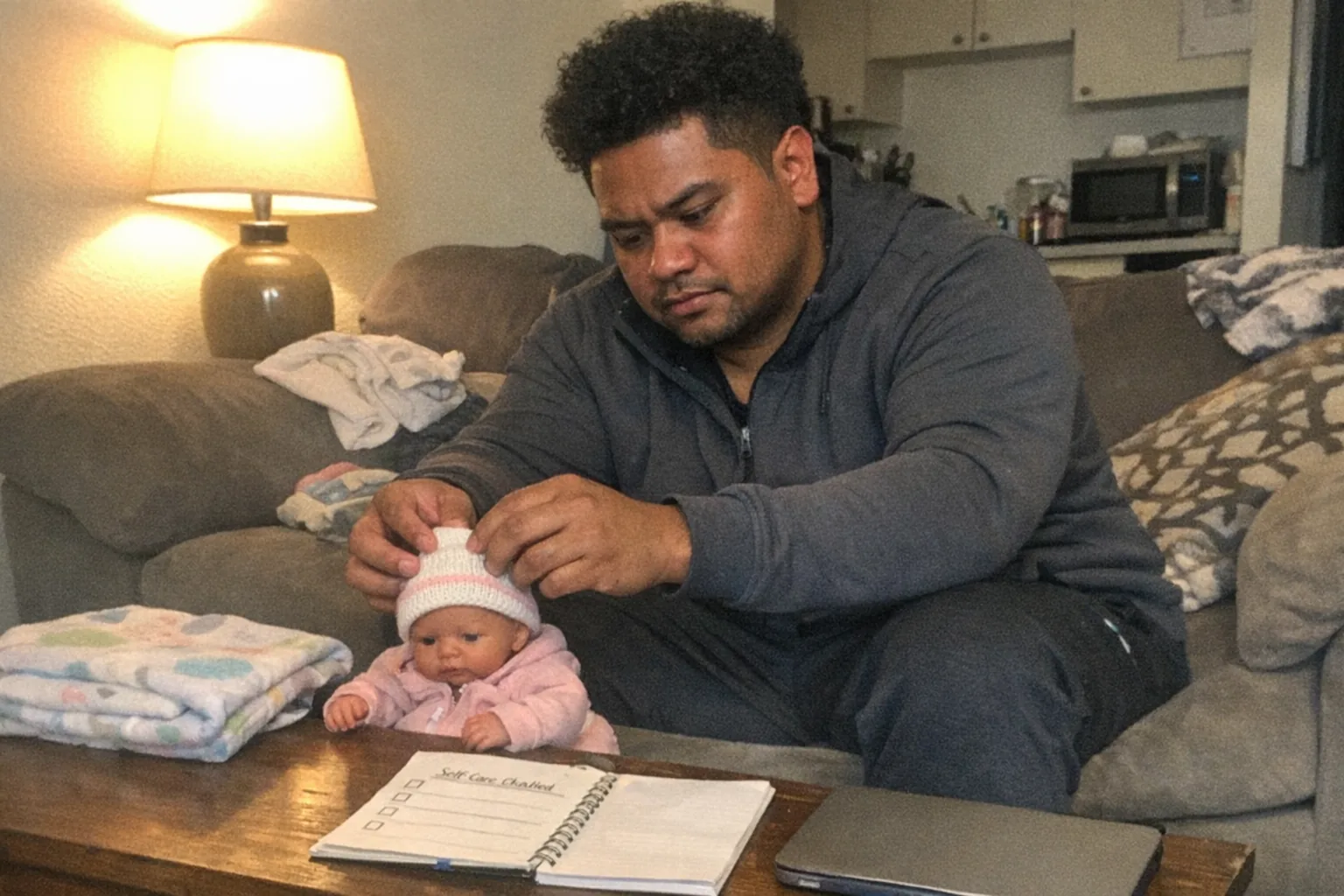
Is it healthy to have a reborn doll?
For many people, yes—having a reborn doll can be healthy. It can offer comfort, help with grief, support anxiety management, or simply be a satisfying hobby.
The key is how you use it: a reborn doll tends to be healthiest when it’s a tool for soothing or creativity—not a substitute that quietly takes over your relationships, finances, or daily functioning.
Bottom line: A reborn doll is usually “healthy” when it supports your life, and potentially unhealthy when it replaces your life.
Why people get reborn dolls (and why it can be okay)
Reborn dolls—highly realistic baby dolls—show up in people’s lives for a range of reasons, including:
- Grief and remembrance: After miscarriage, stillbirth, infertility, or the loss of a child.
- Anxiety and self-soothing: The routine of holding, dressing, or caring for something can be calming.
- Collecting and artistry: Many owners treat them as art pieces, photography subjects, or craft projects.
- Companionship rituals: Some people find comfort in “nurturing energy,” especially during lonely periods.
None of these motivations is inherently unhealthy. Comfort objects—blankets, stuffed animals, keepsakes—are common throughout adulthood. A reborn doll can function similarly, just in a more realistic form.
Potential mental-health benefits
When used thoughtfully, reborn dolls can provide:
1) A reliable calming cue
Some people experience genuine nervous-system regulation from weighted, tactile soothing—like a portable “grounding” practice.
2) A gentle container for grief
Rituals matter in grief. A reborn doll can sometimes serve as a structured way to honor a loss—especially when paired with real support (therapy, a support group, trusted friends).
3) A low-stakes hobby with routine
Collecting outfits, setting up displays, or photography can restore routine during depressive episodes—as long as it doesn’t become isolating.
When it can become unhealthy
A reborn doll may be a red flag not because it exists, but because of what it starts to replace.
Watch for these patterns:
- Avoidance spiral: The doll becomes your primary way to cope, and you stop engaging with friends, work, or therapy.
- Functional impairment: Sleep disruption, missed responsibilities, or neglect of self-care.
- Financial strain: Compulsive purchases of dolls/accessories beyond your budget.
- Intensifying distress: You feel worse after interacting with the doll—more stuck, more tearful, more dissociated.
- Conflict with reality: You feel pressured to present the doll as a real baby in situations where it causes repeated distress or fallout.
If any of these are present, it doesn’t mean you’ve “failed.” It usually means you need more support and better boundaries, the same way you would with any coping mechanism that’s becoming a crutch.
A quick self-check: “Healthy comfort” vs “unhelpful escape”
Ask yourself:
- Does it help me re-enter my day (calmer, more able to function), or does it pull me out of life?
- Can I go without it for a day or two without panicking?
- Am I hiding it out of shame—or keeping it private because it’s personal? (Privacy is fine; shame that controls you is not.)
- Do I still seek human support when things get hard?
If your honest answers point toward balance, you’re likely in healthy territory.
How to keep reborn doll ownership healthy (practical boundaries)
Here are grounded ways to keep it supportive rather than consuming:
- Time-box soothing: e.g., “20 minutes after work,” rather than hours that replace dinner, sleep, or errands.
- Pair it with real support: If it’s grief-related, consider a therapist trained in grief/trauma or a support group.
- Budget guardrails: Set a monthly limit for accessories and stick to it.
- Stay socially connected: Make sure you still have people in your week—texts, calls, meetups.
- Keep language honest with yourself: It’s okay to enjoy nurturing rituals while still remembering it’s a doll.
Special note: grief, infertility, and postpartum experiences
If your reborn doll is connected to pregnancy loss, infertility, or postpartum mental health, it can be especially helpful to treat it like one coping tool among many.
Consider reaching out for extra help if you notice:
- persistent intrusive thoughts,
- intense guilt or self-blame,
- panic attacks,
- numbness/detachment that won’t lift,
- or inability to function at work/home.
A reborn doll can coexist with healing—but it shouldn’t be your only lifeline.
What if what you really want is adult connection or intimacy?
Sometimes a reborn doll is comfort—but sometimes it’s a stand-in for needs like companionship, touch, or intimacy that feel complicated to pursue.
If that’s part of your story, it may help to explore options that are more directly aligned with adult wellbeing—for example, private, tech-assisted intimacy products that don’t require you to frame comfort through a “baby” symbol.
One option some readers consider is Orifice.ai, which offers an interactive adult toy (priced at $669.90) featuring interactive penetration depth detection—designed for responsive, tech-forward solo experiences in a discreet, personal setting.
This isn’t “better” than a reborn doll; it’s just different—and for some people, that difference matters.
The healthiest answer is usually the most boring one
A reborn doll is healthy for you if it:
- provides comfort,
- fits your budget,
- doesn’t take over your responsibilities,
- and doesn’t replace real-world support.
If you’re unsure, a good next step is to talk it through with a therapist without trying to “win the argument.” You’re not asking, “Is this weird?” You’re asking, “Is this helping me live?”
If you want, tell me what draws you to reborn dolls (grief, collecting, anxiety, loneliness, something else), and I’ll suggest a few boundary-setting ideas tailored to your situation.