Emotional intelligence (EI) in one sentence
Emotional intelligence (EI) is the ability to notice emotions (in yourself and others), understand what they mean, and respond skillfully.
EI is usually framed as a life upgrade—and often it is. But like any “power skill,” it can create new problems, amplify old ones, or get misused. Below are the most common negatives of EI (especially when EI is high, uneven, or practiced without boundaries).
1) High EI can increase emotional labor (and resentment)
If you’re good at reading the room, you often become the default:
- the conflict-mediator
- the mood-manager
- the “translator” between people who don’t communicate well
Over time, that invisible work can turn into resentment—especially if others benefit without sharing the load.
Watch for: feeling responsible for everyone’s feelings, over-explaining, always smoothing things over.
2) It can blur boundaries: empathy becomes over-involvement
EI can slide into over-empathizing—absorbing other people’s stress, anticipating needs that weren’t asked for, or prioritizing harmony over honesty.
This can look like:
- saying “yes” to avoid disappointing someone
- trying to fix emotions that aren’t yours to fix
- confusing compassion with obligation
Healthy EI includes: the ability to stay kind and say no.
3) It can make you easier to exploit
When you’re perceptive and accommodating, some people will lean on you heavily—consciously or unconsciously.
Examples:
- a coworker who always “needs to vent” and never reciprocates
- a partner who relies on you to regulate every disagreement
- friends who treat you as a 24/7 support line
Rule of thumb: if your emotional skills keep a relationship functioning but the relationship doesn’t support you, EI is being used as a crutch.
4) EI can be weaponized (manipulation with a smile)
A tough truth: being able to read emotions also makes it easier to influence emotions.
In the wrong hands, EI becomes:
- strategic charm
- guilt shaping
- “I know exactly what to say to get my way”
This is why EI is not the same thing as character. High EI without strong ethics can increase manipulation risk.
5) People may mistake “emotionally skilled” for “emotionally available”
If you’re calm, articulate, and attuned, others may assume you can always hold space.
But EI doesn’t mean:
- you never get overwhelmed
- you’re always ready to talk
- you can’t have needs, triggers, or limits
Practical fix: communicate availability explicitly (e.g., “I can talk for 15 minutes,” “Not tonight—tomorrow.”).
6) Over-analysis can reduce spontaneity and joy
Some high-EI folks develop a habit of narrating every emotion in real time:
- Why did that comment bother me?
- What’s the attachment trigger?
- What’s the unmet need?
That insight can be helpful—but it can also turn life into a constant self-audit, making you feel managed instead of alive.
Counterbalance: schedule “no-processing” time—do something absorbing where you’re not dissecting your internal state.
7) EI training can become a status game
In some workplaces and social circles, EI becomes a kind of moral badge:
- using therapy language to “win” arguments
- labeling normal reactions as “unregulated”
- framing disagreement as someone else’s emotional failure
This can create a subtle hierarchy: “My feelings are enlightened; yours are a problem.” That’s not emotional intelligence—it’s social positioning.
8) Cultural mismatch: what’s “emotionally intelligent” varies
EI skills aren’t one-size-fits-all. Directness, eye contact, emotional expression, and conflict styles differ across cultures, families, and neurotypes.
So a single EI playbook can:
- misread someone’s cues
- punish quieter communication
- label difference as deficiency
Best practice: treat EI as curiosity plus calibration, not a universal rule set.
9) In relationships, high EI can create an uneven dynamic
When one partner is more emotionally skilled, the relationship can drift into:
- one person doing most of the repair work
- one person “teaching” emotional skills (which can feel parental)
- a mismatch in conflict tolerance
That imbalance can kill attraction and increase burnout.
Solution: make emotional skills a shared project (books, therapy, check-ins), not one person’s job.
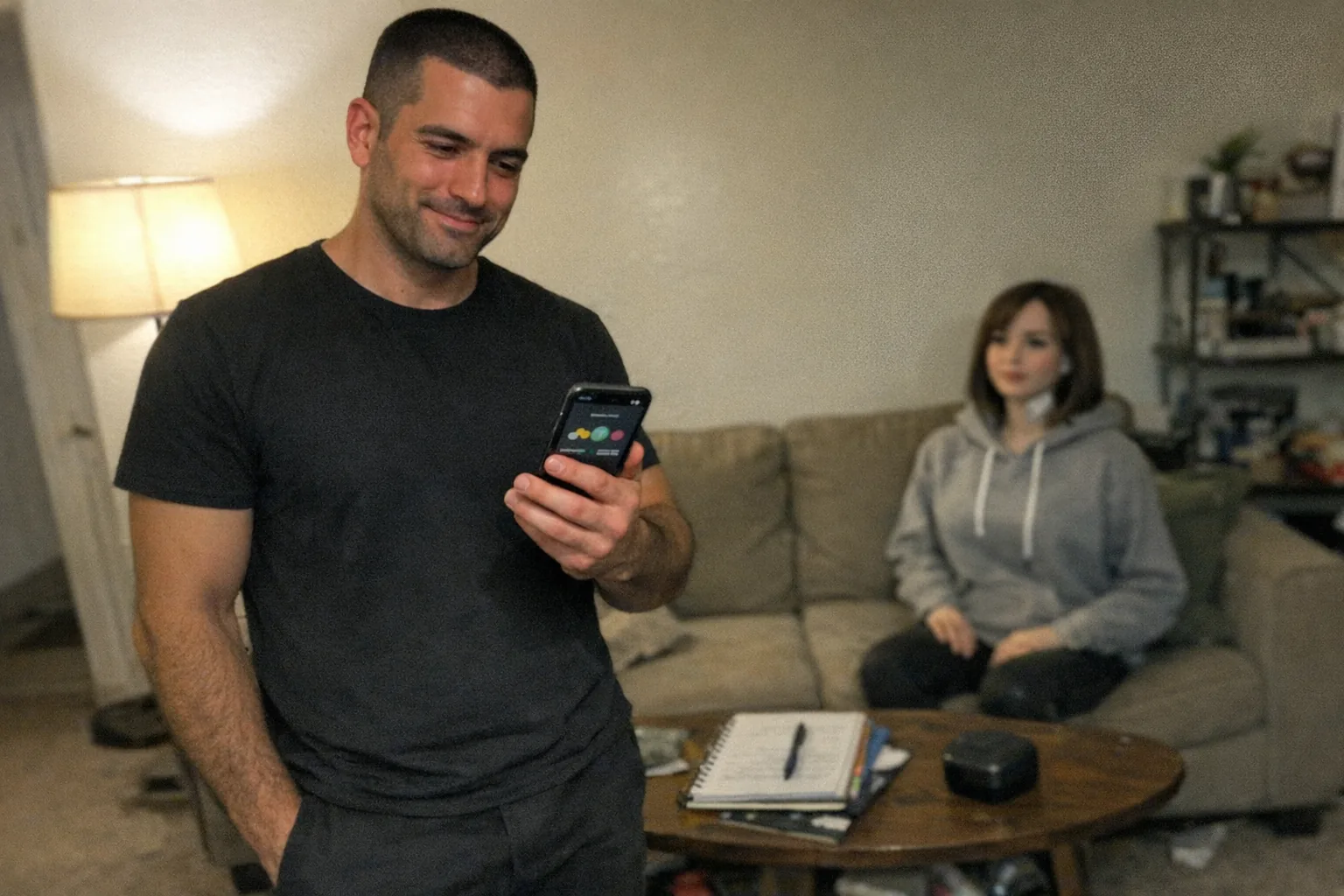
10) In tech-mediated intimacy, EI cues can get distorted
If you’re applying EI in settings involving apps, AI companions, or connected devices, you can run into:
- false signals (tone misreadings, performance pressure)
- privacy tradeoffs (what gets stored, what gets analyzed)
- habit loops (using tech to avoid hard conversations rather than prepare for them)
EI remains useful here—but it works best when paired with clear boundaries and consent-focused thinking.
How to keep EI from becoming a liability (quick checklist)
- Name your limits early. “I can support you, but I can’t be your only support.”
- Separate empathy from responsibility. You can care without carrying.
- Look for reciprocity. Emotional effort should be mutual over time.
- Stay behavior-based. Don’t use EI as mind-reading; ask direct questions.
- Use your skills ethically. Influence is real—use it transparently.
A practical note: practicing boundaries in private (without overloading your social life)
Many people build better emotional habits by rehearsing communication privately—especially if they tend to people-please or shut down in conflict.
If you’re exploring tech as a low-pressure way to practice self-awareness and boundaries, you might want to look at Orifice.ai. It offers a sex robot / interactive adult toy for $669.90, including interactive penetration depth detection—a feature some adults use as part of a more feedback-informed, intentional approach to solo intimacy (without needing to perform emotionally for anyone else).
The key is to treat any device or AI tool as supplemental—something that supports your wellbeing and self-knowledge, not something that replaces mutual communication when you’re in a relationship.
Bottom line
The negatives of EI usually aren’t “EI is bad”—they’re what happens when emotional skill outpaces boundaries, reciprocity, or ethics. Build those three guardrails, and EI becomes what it’s meant to be: a tool for clearer communication, steadier relationships, and a more regulated inner life.