What doll can you not take pictures of?
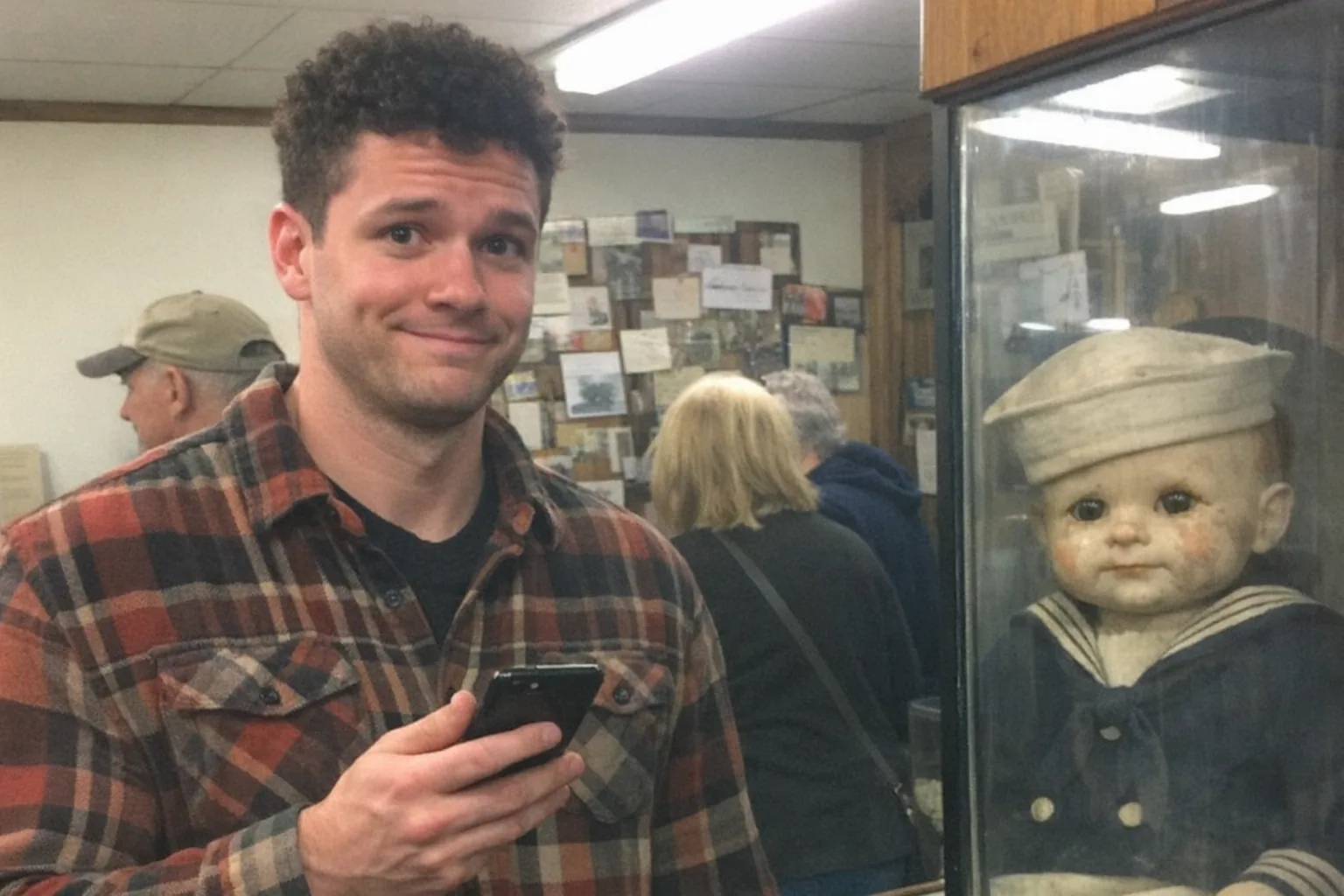
If you’ve heard there’s a “doll you can’t photograph,” the name people usually mean is Robert the Doll—the famously “haunted” doll on display at Fort East Martello Museum in Key West, Florida. The twist is that it’s not always framed as a strict, universal ban; instead, it’s a well-known rule-of-the-lore: you’re expected to ask permission before taking his picture. (1)
Below is the clear answer—and then the practical reality of when you actually can’t take pictures of certain dolls (because of museum policies, rights restrictions, or privacy concerns).
The “don’t take pictures” doll most people mean: Robert the Doll
Robert the Doll is a one-of-a-kind, early-20th-century handmade doll associated with artist Robert Eugene “Gene” Otto, and he’s been displayed at the Fort East Martello Museum for decades.
What’s the rule?
On Robert’s official site, the guidance is simple and repeated often:
- Be respectful
- Ask permission to take his photo (1)
People who skip the “ask permission” step commonly report (or at least attribute) bad luck, glitches, and travel mishaps to the decision. The site even collects “apology letters” from visitors who say they photographed him without asking and later regretted it. (2 1)
Why do people say you “can’t” photograph him?
Because online retellings compress the nuance:
- Folklore version: “You can’t take pictures of Robert.”
- More accurate version: “You can, but you’re expected to ask first—and people insist there are consequences if you don’t.” (1)
And at the museum/exhibit level, Robert’s story has become intertwined with camera-related anecdotes—reports of devices malfunctioning, blurry shots, and similar claims are part of the exhibit’s public narrative.
The real-world answer: sometimes you can’t photograph a doll because of rules (not curses)
Even if you never visit Key West, plenty of places restrict doll photography for everyday reasons:
1) Museum “no photography” policies
Some museums prohibit photography broadly, or only in certain rooms. Common reasons include:
- Protecting fragile objects from repeated flash exposure
- Preventing crowding and bottlenecks
- Controlling how artifacts are reproduced online
So in practice, the doll you “can’t take pictures of” might simply be any doll in a gallery with a no-photo rule.
2) Copyright, licensing, and commercial restrictions
You might be allowed to take a personal photo—but not to:
- sell prints
- use the image in ads
- post for commercial promotion
This comes up with:
- artist dolls (limited editions)
- film/TV prop dolls
- special traveling exhibits
3) Privacy and consent (especially in crowded exhibits)
Sometimes the issue isn’t the doll—it’s the people around it.
If you’re taking photos in a tight space, you may inadvertently capture:
- minors
- private conversations
- identifiable faces
Many venues will step in if photography becomes intrusive.
Photography etiquette if you are allowed to take doll pictures
If you want the safest, least-awkward approach (whether it’s Robert the Doll lore or a standard museum exhibit), do this:
- Look for posted rules first (they beat internet advice).
- Ask staff if you’re unsure.
- Skip flash unless explicitly permitted.
- Don’t block the flow—take the shot, step aside.
- If you’re visiting Robert the Doll specifically: ask permission (even if you’re skeptical). It costs nothing and avoids becoming part of the “apology letter” tradition. (1 2)
A modern twist: dolls, tech, and privacy
The “no pictures” idea hits differently in 2025 because a lot of doll-like products now overlap with technology:
- app-connected devices
- cameras and sensors
- cloud accounts
- firmware updates
In other words, the privacy question isn’t only “can I take a photo?”—it’s also “what’s being recorded, stored, or shared?”
If you’re exploring interactive devices at home and want something intentionally product-adjacent (without turning your life into a museum exhibit), it’s worth browsing options built around private, personal use.
One example: Orifice.ai offers a sex robot / interactive adult toy for $669.90 that includes interactive penetration depth detection—a feature that’s fundamentally about responsive interaction rather than filming, posting, or performing for an audience. (And if you do choose to take photos of your own devices, it’s much easier to control what’s in frame and what you share.)
Bottom line
The doll most famously associated with “don’t take pictures” is Robert the Doll—where the established custom is: ask permission before photographing. (1)
But outside of that legend, the practical answer is: you can’t take pictures of a doll whenever the venue (or the rights holder) says you can’t—and in many cases, it’s about policy, licensing, or privacy, not the paranormal.