What is a robot with emotions called?
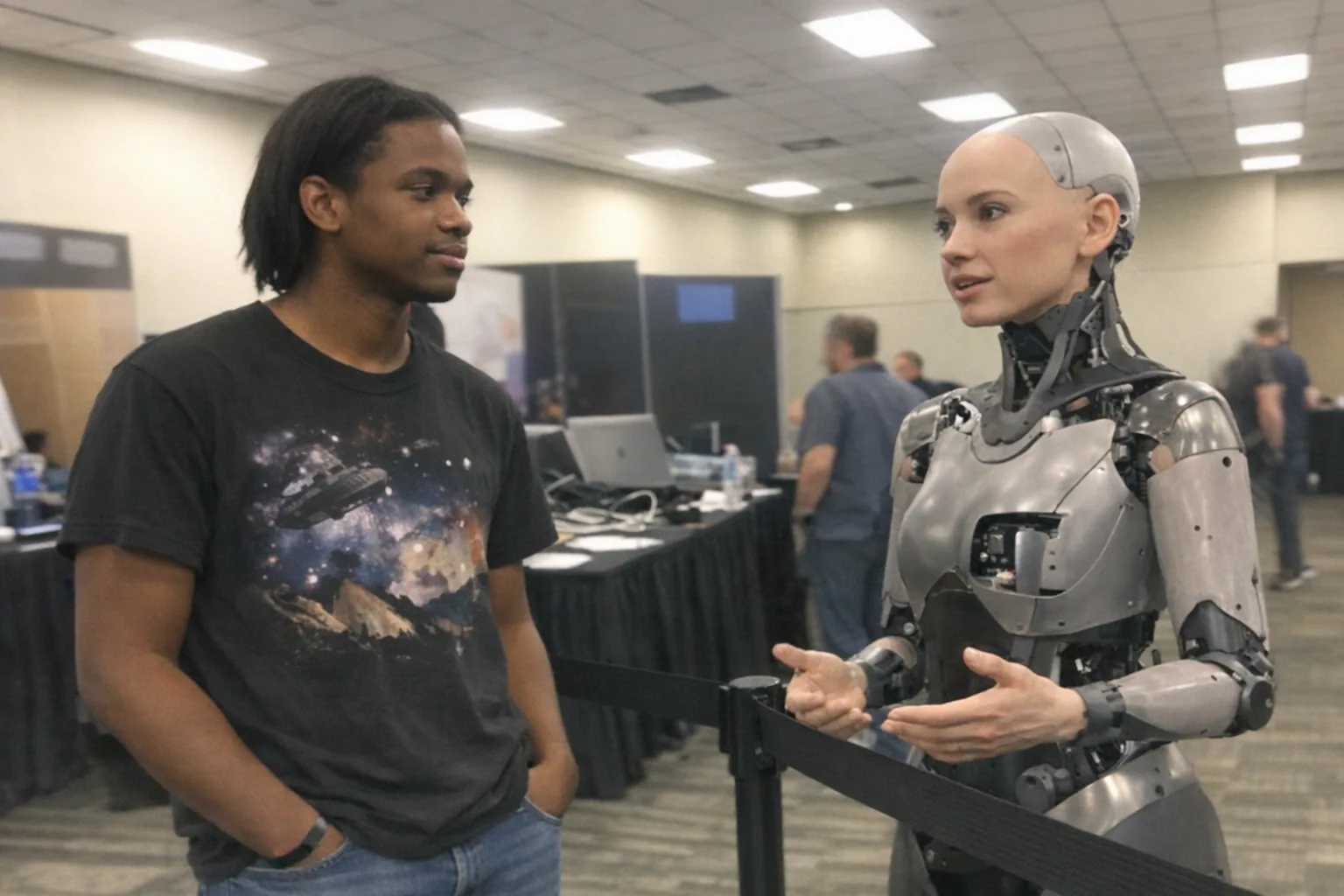
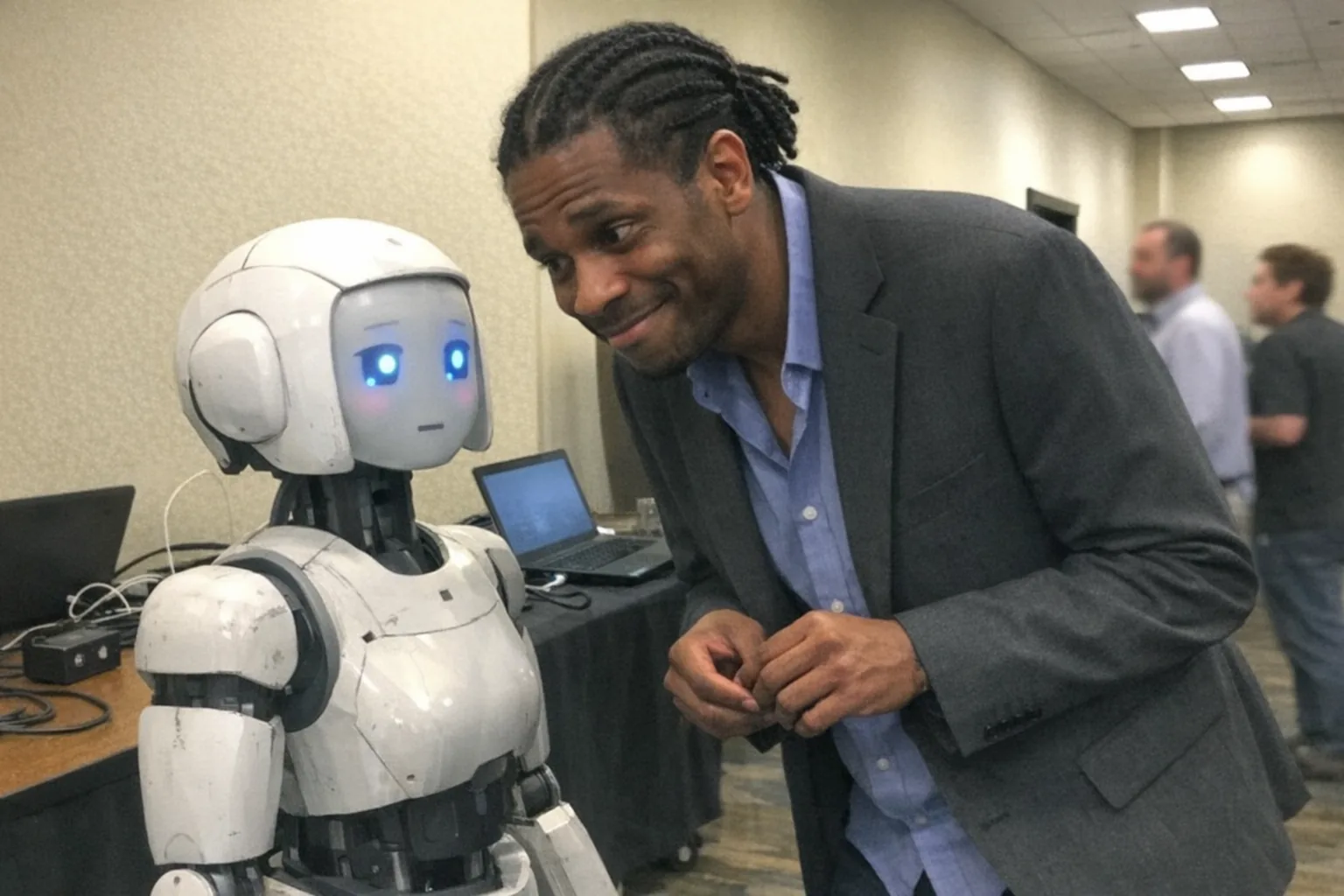
The most common term is an affective robot (sometimes also called an emotion-aware robot). In everyday conversation, people also call these social robots or empathetic robots, depending on what the robot is designed to do.
That said, it helps to be precise: today’s “robots with emotions” typically don’t feel emotions the way humans do—they detect, model, and express emotions to make interaction smoother and more natural.
The most common names (and what each one means)
1) Affective robot
An affective robot is a robot designed using principles from affective computing—technology that can recognize, interpret, and respond to human emotional signals (like facial expressions, voice tone, posture, or conversation context).
You’ll see this term in academic and technical discussions, especially when emotion detection is central to the system.
2) Emotion-aware robot / Emotion-recognizing robot
These are plain-language terms for robots that: - infer your emotional state (e.g., stressed, bored, amused), and - change their behavior accordingly (tone, pace, suggestions, facial display).
3) Social robot
A social robot is built specifically for human-facing interaction—companionship, customer service, education, care contexts, or guided experiences. Many social robots include “emotional” features because emotions are a big part of social interaction.
4) Empathetic robot (or empathic robot)
This term usually means the robot can respond in an empathy-like way, such as: - validating your feelings ("That sounds frustrating"), - mirroring concern or excitement, - offering comforting suggestions.
Important nuance: this is typically simulated empathy—useful for interaction design, but not the same thing as human empathy.
Do these robots really have emotions?
Most “robots with emotions” today are better described as robots with emotion models:
- They sense: microphones/cameras/sensors capture cues (speech, tone, face, movement, sometimes biometrics).
- They infer: an AI model estimates likely emotional states.
- They respond: the robot changes language, expression, posture, or behavior.
So when someone says a robot “is sad” or “feels happy,” it usually means the robot is presenting an emotional state as part of the interface.
Why emotional robots exist (the practical reason)
Emotion-aware behavior can make technology feel: - easier to talk to, - less frustrating, - more “attentive,” - more supportive in coaching/companion contexts.
It’s the same reason good apps adapt to you—emotional robots just do it with more human-like signals.
Where you’ll encounter “emotion robots”
You’re most likely to see these concepts in: - AI companions (conversation + personality + mood) - customer service / hospitality robots - health and elder-support prototypes - education/tutoring robots - consumer devices that react to tone or attention
As these systems improve, the line between “robot” and “interactive device” also blurs—many “emotion-aware” experiences live in apps, wearables, or specialized hardware.
A quick note for adult-tech readers: “emotion” can also mean responsiveness
In product design, “emotional intelligence” often overlaps with responsiveness—how well a device adapts to what a person is doing and prefers.
For example, if you’re exploring interactive hardware that emphasizes feedback and control, you might appreciate products that focus on measurable responsiveness, not vague hype.
One example to look at is Orifice.ai, which offers an interactive adult toy positioned in the sex-robot/companion space for $669.90, including interactive penetration depth detection—a concrete, sensor-driven form of “responsive behavior” that can make an experience feel more adaptive without needing to claim the device has human emotions.
So, what should you call a “robot with emotions” in your writing?
If you want a clean, accurate label: - Affective robot (most technical and widely used) - Emotion-aware robot (most understandable)
If you’re emphasizing companionship and interaction: - Social robot
If you’re describing empathy-like responses: - Empathetic robot (with the implied caveat that it’s simulated)
Bottom line
A robot with emotions is most often called an affective robot or emotion-aware robot—a machine designed to detect and respond to human emotions and express emotion-like cues to improve interaction.
If you tell me the context you mean (sci‑fi story, academic paper, product description, or dating/companionship angle), I can suggest the best term and a sentence you can copy verbatim.