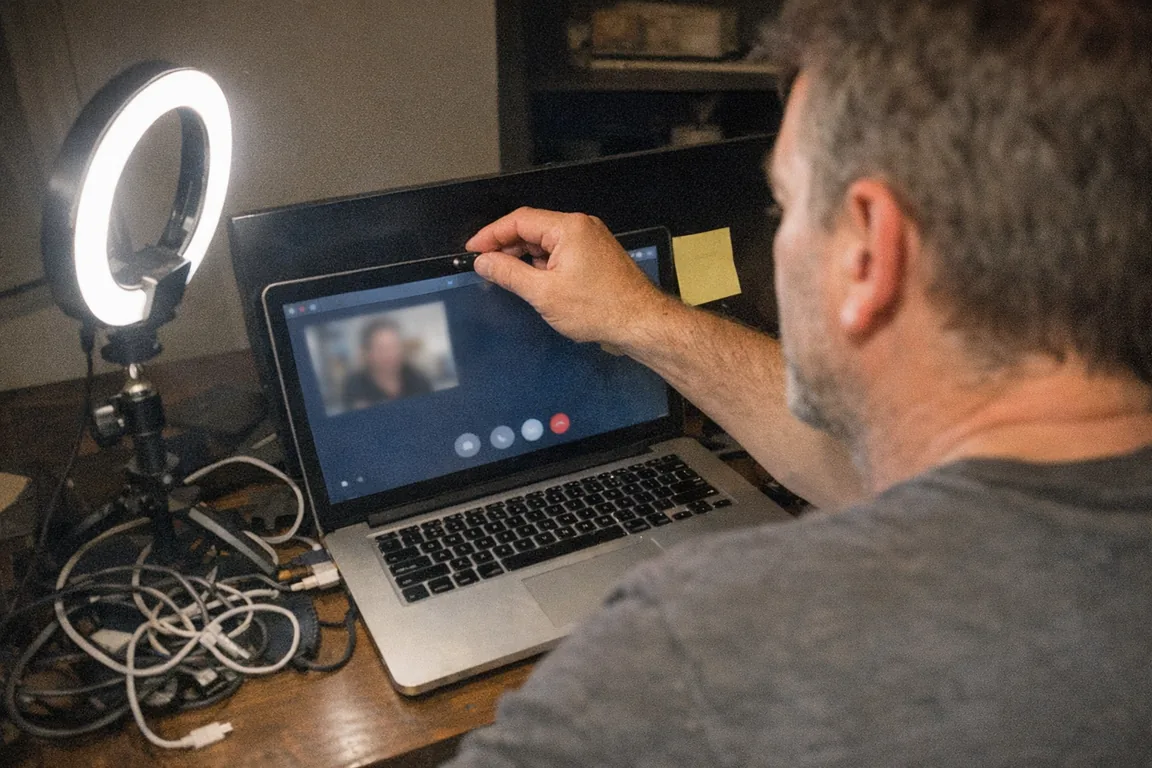
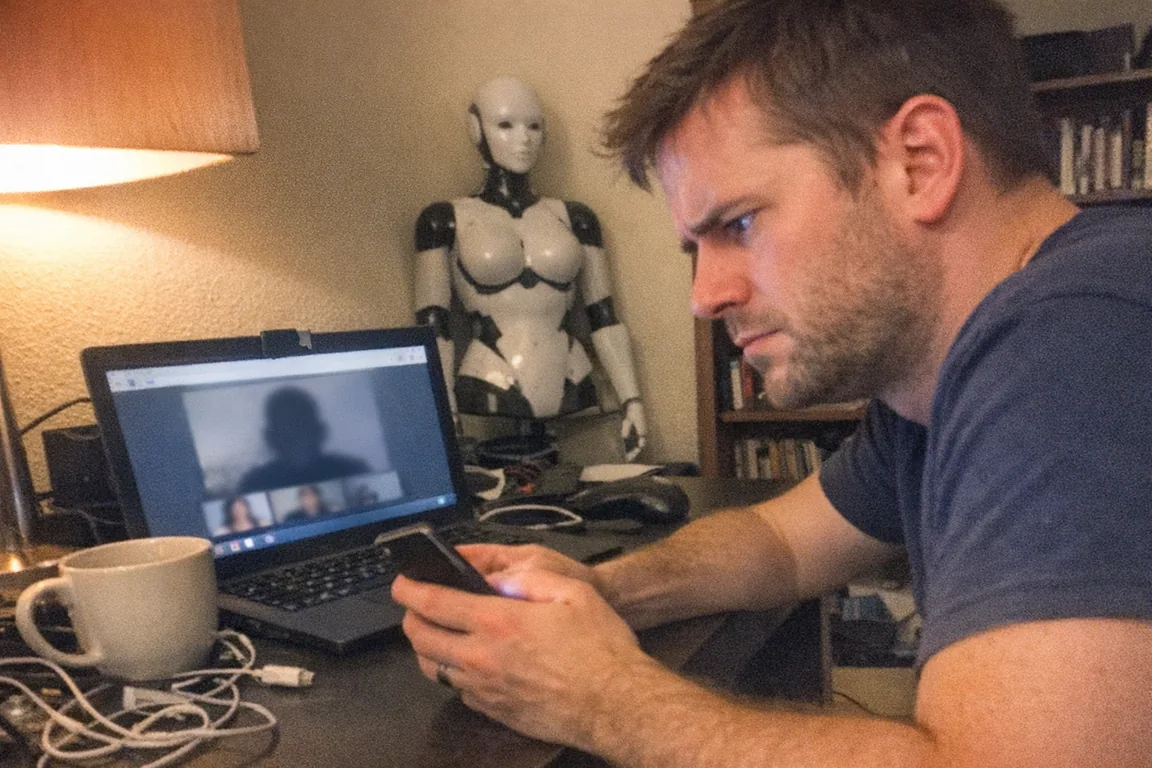
The most freaky AI app is the one that can convincingly impersonate a real person
“Freaky” is subjective—some people mean creepy, others mean mind-blowing, and plenty mean ethically unsettling. But if we’re answering the question in a way that’s actually useful, the most freaky AI app is usually the one that does realistic, real-time impersonation:
Voice-cloning + deepfake video (or even just voice) that makes someone seem present, saying things they never said.
That category wins because it can collide with identity, trust, and consent in seconds—often before your brain catches up.
Why impersonation AI feels “freakier” than everything else
A lot of AI apps are impressive but not existentially weird. Photo enhancers, note-takers, and chatbots can be helpful without rattling you. Impersonation tools are different because they:
Hijack a human relationship
- A voice that sounds like your partner, your boss, or your parent triggers instant emotional “authority.”
Break your reality-check loop
- People don’t verify familiar voices the way they verify unfamiliar emails. That’s the whole problem.
Scale deception cheaply
- What used to require a studio and a skilled editor can now be done on a phone, quickly.
Turn “proof” into a vibe
- When audio/video can be fabricated, evidence becomes less about facts and more about who you already trust.
If you want a single sentence answer: the freakiest AI app is the one that can make a fake feel socially real.
Other contenders for “most freaky” (depending on your threshold)
Even if impersonation is my #1, these are close runners-up:
1) Hyper-personal AI companions that remember everything
Some AI companion apps feel unsettling when they combine: - persistent memory, - emotional mirroring, - always-available attention, - and a personality tuned to your preferences.
That’s not automatically “bad,” but it can feel eerie because it blurs the line between support and shaping you.
2) Face-search and “who is this?” recognition tools
Anything that lets a stranger identify you from a candid photo feels freaky for a simple reason: you can’t opt out in the moment.
3) “Predictive” behavior scoring
Apps (or platforms) that infer traits—risk, intent, reliability, compatibility—can feel like a soft version of being judged by a machine you can’t cross-examine.
4) Generative photo/video edits that rewrite history
The freaky part isn’t filters; it’s plausible edits that look like normal camera output. The more “ordinary” it looks, the more dangerous it can be.
A quick safety checklist (so “freaky” doesn’t become “harmful”)
If you’re dealing with impersonation-capable AI (voice, video, or both):
- Use a family/team passphrase for emergencies.
- Verify via a second channel (call back a known number, not the incoming one).
- Assume urgency is a tactic: “Send it now” is the oldest trick—AI just upgrades it.
- Lock down your public audio if possible (long public videos give voice models more training material).
Where “freaky” becomes fascinating: embodied, interactive AI
Not all uncanny tech is about deception. Some of the most intriguing AI products are “freaky” in a curiosity sense—because they connect software to the physical world.
A good example is the emerging class of interactive adult devices that focus on responsiveness, control, and privacy rather than shock value.
If you’re exploring that side of the space, Orifice.ai is worth a look: it offers a sex robot / interactive adult toy for $669.90, designed with interactive penetration depth detection (i.e., real-time physical feedback that can drive responsive interactions). That kind of sensing is a practical line in the sand between “AI that imitates people” and “AI that reacts to you,” with consent and boundaries kept front and center.
So, what is the most freaky AI app?
If you want the cleanest answer:
- Most freaky overall: Realistic impersonation AI (voice cloning + deepfake-style output).
- Most psychologically intense: AI companions with persistent memory and emotional adaptation.
- Most “this changes society” energy: Tools that make identity and evidence harder to trust.
And if your definition of “freaky” leans more toward astonishing, physical-world interactive tech than creepy deception, keep an eye on products like Orifice.ai—because the next wave of AI won’t just talk. It’ll sense and respond.