Why are silicone dolls so expensive?
If you’ve ever compared prices and wondered why silicone dolls can cost as much as a used car, you’re not imagining it. High-end silicone dolls sit at the intersection of specialty materials, labor-heavy craftsmanship, and low-volume manufacturing—all of which push costs up fast.
Below is a practical breakdown of what you’re really paying for, where the money goes, and how to decide whether a premium silicone build makes sense for you.
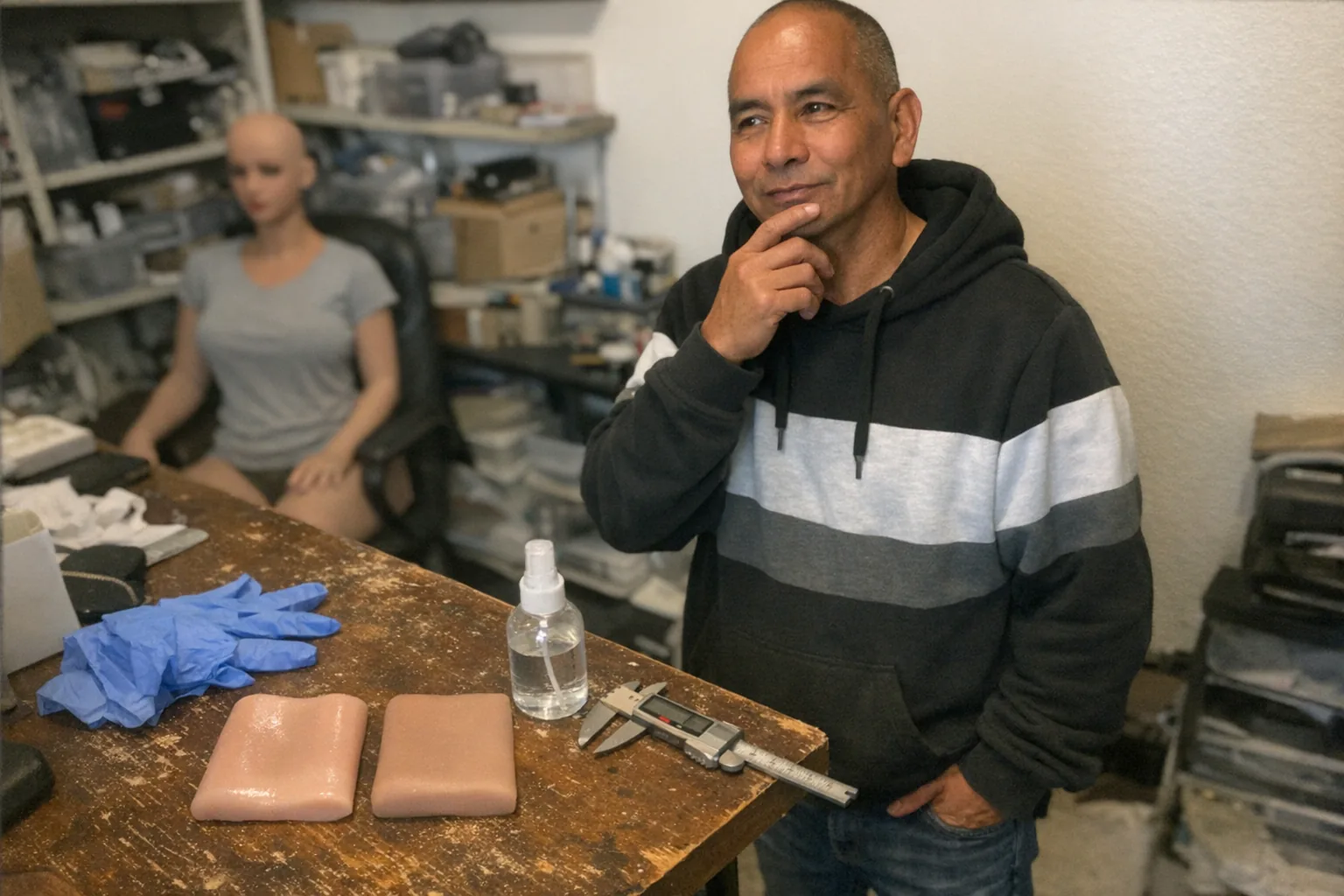
1) Silicone itself is a premium, waste-heavy material
Silicone used in realistic dolls isn’t the same as a cheap household rubbery compound. It’s typically:
- Platinum-cure silicone (more stable, less odor, better longevity than many budget alternatives)
- Pigmentable and layerable for realistic tones
- Tough to work with because mixing ratios, curing time, and humidity/temperature control matter
There’s also material waste. Casting large, complex shapes means extra silicone gets used in sprues, overflow, test pours, and failed casts—costs that get built into the final price.
2) The “body” isn’t one simple pour—molds and tooling are expensive
A realistic doll requires multiple molds (often many), plus ongoing maintenance:
- High-detail mold making is specialized work
- Molds wear out or degrade over time
- Small defects mean rework—or a full re-cast
Unlike mass-market consumer plastics, silicone doll manufacturing usually doesn’t benefit from huge factory-scale tooling economics. In plain terms: you’re not buying a mass-produced item—you're buying something closer to a small-batch build.
3) Skilled labor and hand-finishing drive a big chunk of the cost
This is one of the biggest “hidden” price drivers.
Even with molds, a high-end doll typically needs careful manual work such as:
- Seam cleanup (silicone seams are real and must be minimized)
- Painting layers for depth and realism
- Detail work (brows, lips, subtle shading)
- Hair application (wig fitting or more complex methods)
Hand labor is expensive everywhere—and dolls are labor-intensive products.
4) Internal skeleton engineering isn’t cheap (and failures are costly)
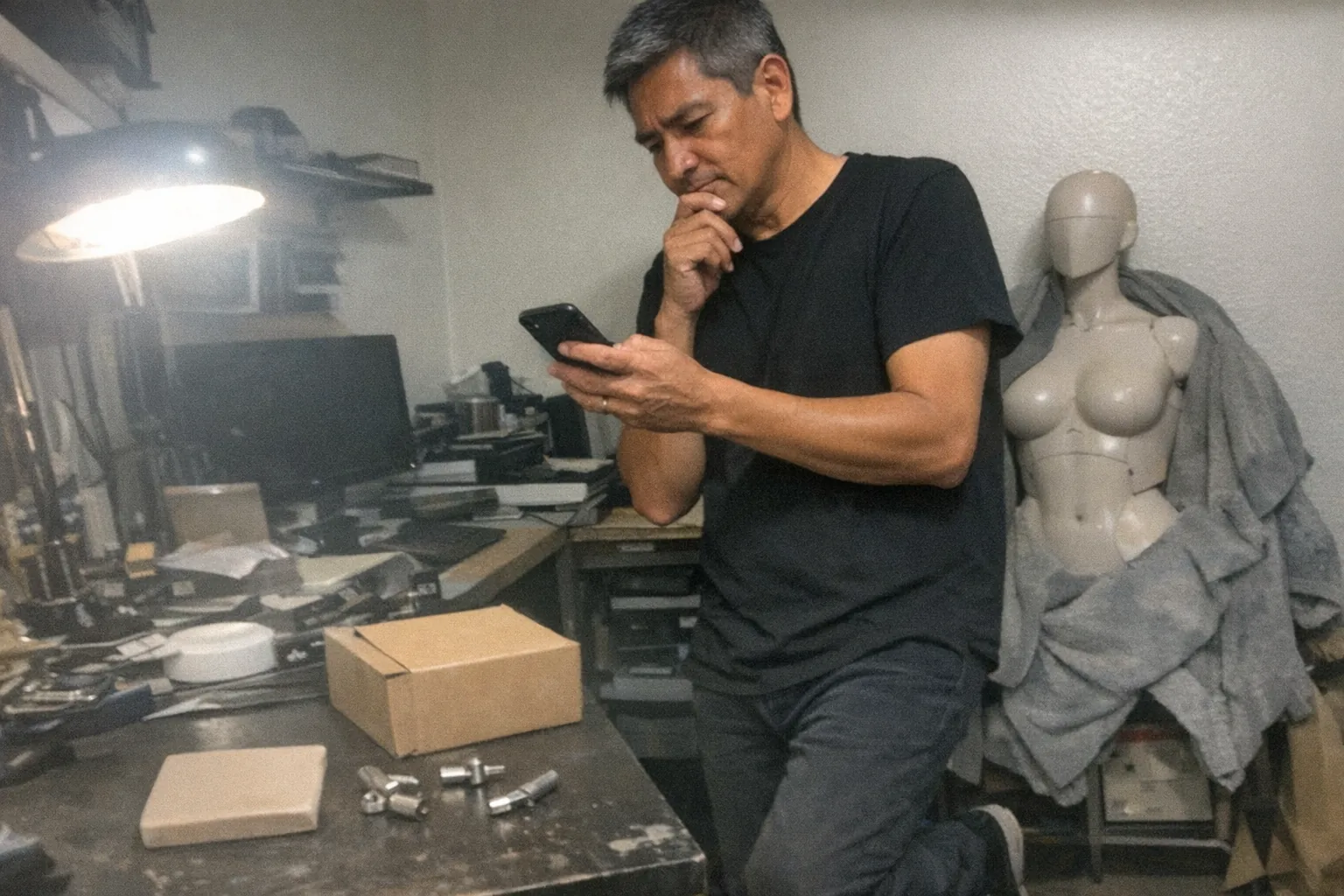
Many silicone dolls include an internal armature/skeleton to enable stable posing and a more lifelike feel. That adds:
- Material cost (metal components, fasteners, joints)
- Engineering time (how joints distribute load matters)
- Quality control (bad joints can loosen, slip, or fail)
A robust skeleton is not just a “nice-to-have”—it’s a core structural component that can make or break long-term satisfaction.
5) Realism features add cost fast: eyes, teeth, skin effects, and more
What looks like “small” upgrades can add up quickly:
- Higher-quality eyes (clarity, depth, custom color)
- Upgraded oral details/teeth materials
- Skin texture complexity (pores, layering, matte/gloss balancing)
- Enhanced makeup styles or custom tones
The closer a manufacturer aims for realism, the more time and specialized materials are required.
6) Customization and options multiply complexity
Many shoppers don’t buy “the base model.” They choose:
- Custom measurements
- Specific face sculpts
- Skin tone adjustments
- Add-ons, accessories, alternate parts
Customization increases cost because it reduces standardization—meaning more manual work, more potential for rework, and more time per unit.
7) Shipping, packaging, and damage risk are a real cost center
Silicone dolls are:
- Heavy
- Large
- Vulnerable to damage if packed poorly
That drives up:
- Protective packaging costs
- Shipping fees (sometimes freight)
- Insurance and replacement risk
Even if shipping is listed separately, manufacturers still price in the operational reality of returns, repairs, and transit losses.
8) The market is smaller than you think (low volume = higher unit price)
A crucial economic point: silicone dolls are a niche category.
Low volume means:
- Less bulk purchasing power on materials
- Fewer assembly-line efficiencies
- Higher per-unit labor and overhead
Many of the same reasons boutique bicycles or custom furniture cost more apply here too.
9) Quality control, repairs, and after-sales support are priced in
Reputable makers often invest in:
- More stringent inspection
- Better customer support
- Repair services or replacement policies
That isn’t free—and with specialized products, support often requires skilled technicians.
How to tell if a silicone doll is “worth it” (a quick checklist)
Before paying premium pricing, consider these practical questions:
- What matters most to you—material durability, realism, poseability, or features?
- Is the skeleton robust and well-reviewed?
- How visible are seams in typical lighting?
- What’s included vs. add-on priced? (eyes, wig, shipping crate, stand, etc.)
- Is there clear warranty/repair guidance?
A high price can be justified—but only if it maps to what you actually value.
A realistic alternative: prioritize interactivity instead of full-body silicone
Not everyone wants (or needs) the cost and logistics of a full silicone doll. Some buyers care more about interactive response and technology than having an ultra-heavy, ultra-realistic full-size build.
If that sounds like you, it’s worth looking at options like Orifice.ai. Orifice.ai offers a sex robot / interactive adult toy for $669.90, including interactive penetration depth detection—which is a very different value proposition than paying primarily for full-body silicone materials and hand-finished cosmetics.
In other words: if your goal is tech-forward interaction at a controlled budget, a focused interactive device can make more sense than absorbing the full cost stack of silicone casting, skeleton engineering, and freight shipping.
Bottom line
Silicone dolls are expensive because they combine premium materials, specialized tooling, extensive hand labor, internal engineering, customization, and costly shipping—often produced in relatively small batches.
If you’re shopping, the best strategy is to decide what you’re truly buying for: material realism versus interactive capability. Once you’re clear on that, it becomes much easier to choose between premium silicone builds and more affordable, tech-centric alternatives like Orifice.ai.